
Sandalwood Properties Spiritual: Guide to Sacred Uses
Sandalwood has been treasured across spiritual traditions for thousands of years as a sacred wood. If you're drawn to exploring sandalwood in your spiritual practice, understanding its traditional uses and applications can support your ritual work and inner exploration.
In this article
Sandalwood in Spiritual Traditions
Sandalwood is used in spiritual circles as part of cleansing and ritual practices. It's traditionally incorporated to create an atmosphere of sacred intention. Many describe the wood's aroma as having a distinctive presence.
Related: How to Create a Spiritual Altar: A Beginner's Guide
Related: The Spiritual Chrysalis: Your Guide to Inner Transformation
Related: Best Spiritual Elements Guide for Inner Transformation
Related: Sacred Ritual Box Subscriptions for Wellness: A Guide
Sandalwood is often used during meditation practices as part of creating a focused environment. It's associated with spiritual traditions that use it for space clearing and ritual work, making it a natural choice when you want to establish a dedicated practice space.
Many spiritual practitioners incorporate sandalwood into their work to support their spiritual practice and connection to ritual. When you're building a spiritual routine, this traditional wood can serve as an anchor for your intentional work.
Using Sandalwood in Spiritual Rituals and Meditation
One of the most common ways to use sandalwood is during meditation. Having sandalwood present during your practice—whether as incense, a scent, or oil—can help establish a dedicated practice space.
You can incorporate sandalwood into your personal rituals by adding it to spaces where you do intentional work. Some people light sandalwood incense before journaling, tarot practice, or intention-setting ceremonies. The scent becomes a signal to your mind that you're entering a dedicated space.
If you're building a ritual practice, consider pairing sandalwood with other elements like crystals, candles, or intention cards. The Power Within Cards can help you clarify your spiritual intention, and sandalwood can complement that focus through its traditional use.
Sandalwood in Space Clearing and Ritual
Sandalwood is recognized in many spiritual traditions as part of space clearing practices. It's used when you're starting fresh or want to establish a dedicated ritual space.
Some practitioners use sandalwood mist or spray as part of their space preparation before meditation, ritual work, or important moments. This practice is common when you're transitioning between different phases of life or want to mark a spiritual threshold.
Sandalwood is also incorporated into personal spiritual practice. Many people use the scent as part of their routine—on their skin, in a sachet, or through intention—as part of their spiritual work.
Creating a Sandalwood Ritual Practice
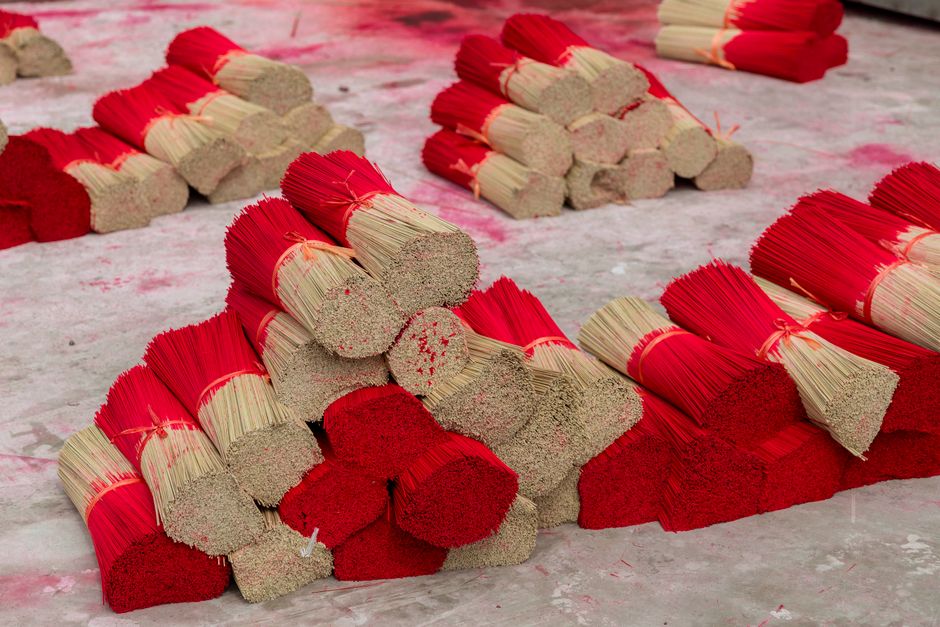
If you want to incorporate sandalwood into your spiritual routine, start simple. You don't need an elaborate setup. A single sandalwood product used with intention can be part of your practice.
Try this: Set aside 10 minutes in the morning or evening. Light sandalwood incense or apply a sandalwood-infused oil like The Power Within Ritual Oil to your wrists or heart. Sit quietly and notice what emerges. What are you feeling? What needs your attention spiritually? Let sandalwood be part of your practice space.
You can also incorporate sandalwood into a larger ritual container. The Power Within Ritual Box offers guided space for intentional work, and adding sandalwood to that practice can enhance your experience.
Sandalwood in Spiritual Practice
Sandalwood is associated with many spiritual traditions and practices. Many spiritual seekers incorporate sandalwood into their work as part of their broader spiritual journey.
If you're in a period of spiritual growth or exploration, sandalwood can be part of that journey. It's about creating a dedicated space where your spiritual practice can unfold.
The sensory experience of your spiritual practice matters. Sandalwood's aroma is distinctive and can become part of your ritual routine. When you establish consistent practices, your mind and spirit can more easily enter a focused state.
Combining Sandalwood with Other Spiritual Tools
Sandalwood works alongside other elements of a spiritual practice. Many people combine sandalwood with intention-setting, journaling, crystal work, or movement like yoga or dance.
If you're exploring your spiritual practice and personal growth, consider how sandalwood can support that work. Its traditional use complements the work of understanding yourself more deeply and developing your spiritual practice.
At Wild Women, we believe that your spiritual practice is uniquely yours. Sandalwood is one tool among many that can support your spiritual journey and exploration. Whether you're just beginning to explore spiritual work or you've been on this path for years, sandalwood can be part of your practice.
FAQs About Sandalwood in Spiritual Practice
Can I use sandalwood every day in my spiritual practice?
Many spiritual practitioners incorporate sandalwood into their regular routines. You might use it during morning meditation, before journaling, or in the evening as part of your practice. Start with what feels right for you, and adjust based on your preferences.
What's the difference between sandalwood incense, oil, and other forms?
Each form offers a different experience. Incense provides aroma that fills a space, oils can be applied to the body as part of your practice, and sachets offer a more subtle presence. Choose based on your preference and the type of practice you're creating. You might use different forms for different rituals.
Does sandalwood work better with other spiritual practices?
Sandalwood can complement many practices, and it can also be used on its own. Some people enjoy pairing it with intention cards, candles, or crystal work. Others use sandalwood as their primary focus for meditation. Choose what works for your practice.
Is sandalwood appropriate for all spiritual traditions?
Sandalwood has been used across many traditions for centuries. If you follow a specific spiritual path, consider whether it aligns with your practice. The most important thing is that any tool you choose feels authentic and respectful to your own beliefs and values.